
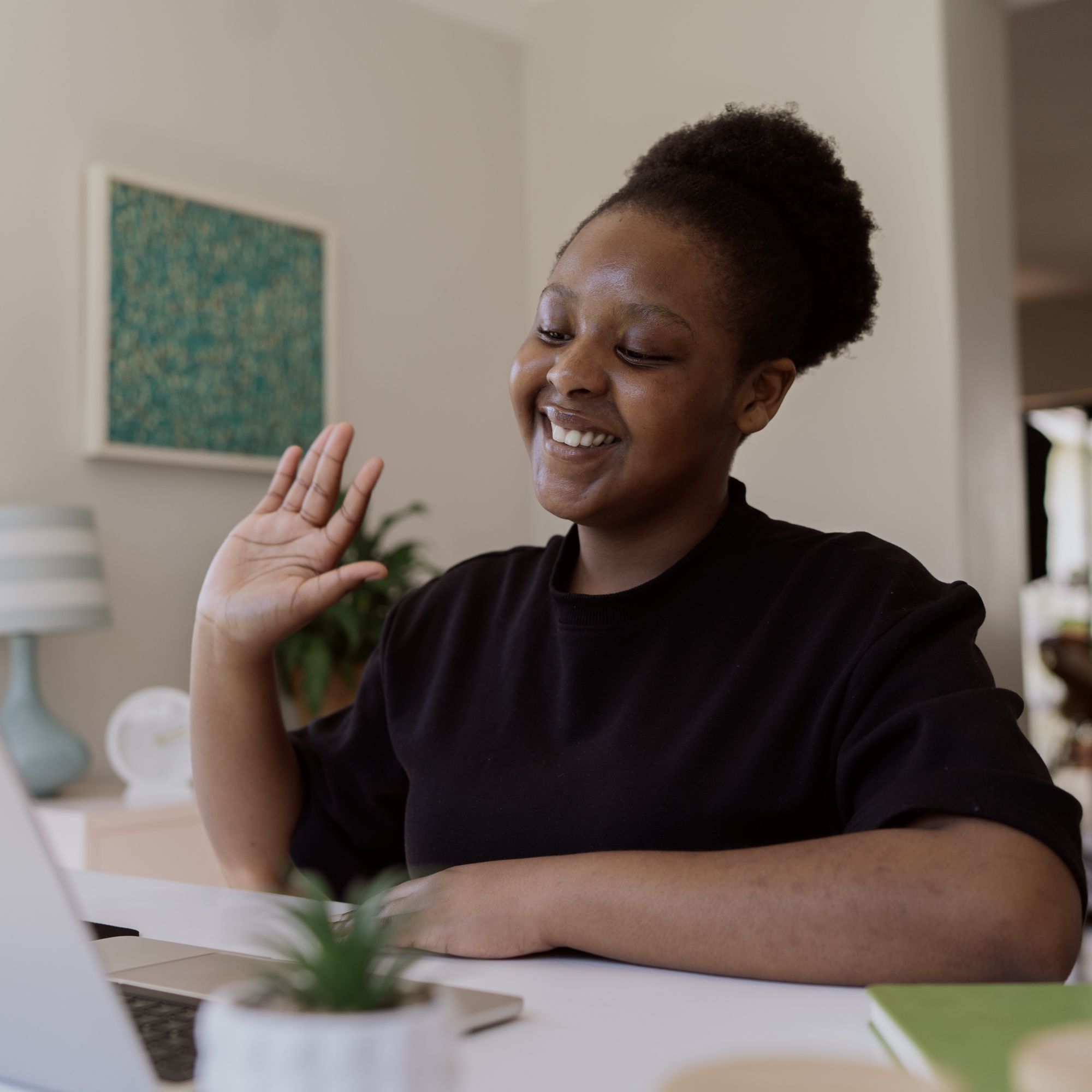
One of the first questions many parents ask about online school is: how will my child socialise?
It is an important question. Children need regular opportunities to interact with others, build relationships, work through differences and feel that they belong.
In a well-designed online school, meaningful interaction is intentionally built into everyday learning through classroom participation, ongoing relationships with teachers and peers, shared activities and a connected school community. Parents also play an important role in supporting their child’s social development through friendships, sport, hobbies, community activities and other in-person experiences beyond school.
Here is how socialisation in online school can work, and what this looks like at Koa Academy.
What Does Socialisation Mean in an Online School?
Socialisation is sometimes understood simply as being around other children. But meaningful social development involves much more than physical proximity.
Children build social skills when they:
- Participate in conversations.
- Listen to different perspectives.
- Work with others.
- Express their own ideas.
- Navigate disagreement.
- Take responsibility within a group.
- Develop friendships over time.
- Feel that they are recognised and included.
These experiences can happen both online and in person. What matters is whether children have regular, well-designed opportunities to interact meaningfully and become part of communities where they feel they belong.
This is also why online schools can differ considerably from one another. Some primarily provide coursework for students to complete independently. Others include large virtual lectures with limited participation. In more engaging models, students learn in smaller groups, interact frequently and become familiar with teachers and classmates over time.
When evaluating socialisation in an online school, parents should therefore look beyond whether the school offers a club or an occasional social event. The everyday learning model matters too.
Socialisation Is Part of the Learning Experience
The school day can give children regular opportunities to participate in a group, communicate with others and build relationships with teachers and peers.
In an online school, however, this depends heavily on how the learning experience is designed.
A well-designed online classroom should not involve students sitting silently while a teacher speaks to a large group. Students should be expected to contribute, ask questions, solve problems together and respond to one another.
Depending on the lesson and age group, interaction may include:
- Group discussions.
- Collaborative activities.
- Presentations.
- Problem-solving tasks.
- Peer feedback.
- Breakout conversations.
- Informal check-ins.
- Shared projects.
These experiences allow students to practise communicating clearly, listening well and taking part in a shared learning process.
The size and structure of the class can make a significant difference. In a large virtual session, it may be easier for a student to remain quiet or unnoticed. Smaller groups can provide more opportunity, and more responsibility, for each student to participate.
At Koa, every student belongs to a consistent Pod of eight. Pods create a smaller setting in which students can get to know the same teacher and group of peers over time.
Students also take part in other live learning experiences, depending on their grade. This gives them opportunities to participate in different group settings across the school week.
Regular Contact Helps Relationships Develop
Friendships rarely form through one organised event. They usually develop through repeated contact: seeing the same people regularly, sharing experiences and gradually becoming more comfortable with one another.
An online school should provide opportunities for this consistency.
When students meet with the same peers throughout the week, they begin to recognise different personalities, interests and ways of thinking. They build shared experiences and learn how to communicate as part of a group.
At Koa, Pods provide a consistent smaller group, while Workshops, Masterclasses and other live sessions give students opportunities to interact with a wider range of peers.
The purpose of these sessions is not only to deliver academic content. They give students regular opportunities to speak, contribute, collaborate and get to know others through the normal rhythm of school life.
You can also hear directly from Koa students about how their online friendships developed through shared experiences and regular interaction.
This matters because social connection should not depend entirely on a student choosing to join an additional activity. It should also be supported through the core school experience.
Teachers Play an Important Socialisation Role
Teachers influence more than academic progress. They help establish the tone of a class and create the conditions in which students feel comfortable participating.
In an online setting, this role needs to be particularly intentional.
Teachers can support healthy interaction by:
- Making space for every student to contribute.
- Encouraging students to respond to one another.
- Noticing when someone has become withdrawn.
- Helping students work through misunderstandings.
- Setting clear expectations for respectful online behaviour.
- Creating opportunities for teamwork and shared responsibility.
Smaller classes make it easier for teachers to notice changes in participation and group dynamics. They can see who is contributing confidently, who may need encouragement and where relationships may need support.
At Koa, Pod teachers meet with their groups regularly and build an ongoing understanding of the students within them. This consistency can help students feel more comfortable communicating and gives teachers greater context when supporting both academic participation and group relationships.
Clubs Create Connections Around Shared Interests
The classroom is an important part of socialisation, but children also benefit from connecting outside formal academic lessons.
Online clubs give students a space to spend time with others who share their interests. This can make conversation feel more natural, particularly for students who find unstructured social environments difficult.
A student who is hesitant to start a general conversation may find it much easier to talk while discussing a book, playing chess, creating something or working towards a shared goal.
Koa offers opt-in online clubs across a range of interests. The specific clubs may change as student interests develop, but the underlying purpose remains the same: to give students another way to participate in school life, explore their interests and connect with peers.
Because the activities take place online, students can join these opportunities without families needing to travel to and from a physical school campus.
In-Person Experiences Remain Valuable
Online interaction and in-person interaction should not be treated as competing forms of connection. Both can contribute to a child’s social experience.
Meeting face to face can strengthen relationships that began online. It also gives students opportunities to interact in different environments and share experiences beyond the school day.
Koa hosts regular in-person socials and educational outings in different cities. Depending on the event, students might take part in an activity, visit an interesting venue or simply spend relaxed time together.
These events also allow families to meet other Koa families. For some students, a friendship that begins in a Pod or club can continue outside school through interactions that families help to arrange.
In-person events therefore play an important role, but they are most valuable as part of a wider social experience. They give students another way to spend time together, strengthen existing relationships and connect beyond the online school day.
A child’s broader social development also extends beyond school itself. Sport, hobbies, family life and community activities all create different opportunities to interact, participate and build confidence with others. This is where the role of parents becomes particularly important.
Parents Play an Essential Role in Social Development
A child’s socialisation is a shared responsibility between school and home.
An online school should intentionally create opportunities for students to interact, contribute, build relationships and feel part of a community. But no school, online or traditional, can or should provide every social experience a child needs.
Parents play an essential role in helping children develop a varied and healthy social life. Depending on a child’s age, interests and personality, this may involve:
- Helping them choose sports, hobbies or community activities.
- Making space for friendships to develop outside formal school sessions.
- Arranging opportunities to spend time with friends in person.
- Encouraging them to participate in clubs, outings and school events.
- Noticing when they may need more support or connection.
- Helping them balance school, family life and outside interests.
One of the advantages of online schooling is the flexibility it can give families to build these experiences around a child’s needs and interests. As we explain in our article on learning designed around your child, students may have more room to pursue competitive sport, creative activities, volunteering or other interests alongside their schooling.
This does not mean that parents must solve socialisation on their own. The school should provide a connected everyday experience, while families help extend a child’s social world beyond school.
Children benefit most when these roles support one another.
What Does Socialisation Look Like at Koa Academy?
At Koa, socialisation is not treated as a separate add-on to the academic programme. Opportunities for connection are built into different parts of the student experience.
Students can connect through:
Small, Consistent Pods
Every student belongs to a Pod of eight. These consistent groups create space for regular participation, personal attention and relationships that can develop over time.
Different Types of Interactive Live Sessions
Depending on their grade, students attend a combination of Pod sessions, Workshops, Masterclasses and other live learning experiences.
These different formats allow students to build familiarity within a smaller group while also participating in broader parts of the Koa community.
Ongoing Teacher Relationships
Pod teachers get to know the students in their groups and can support both academic participation and healthy group interaction.
Online Clubs
Optional clubs allow students to connect around shared interests and meet peers outside their formal academic sessions.
In-Person Socials and Educational Outings
Regular events give students and families opportunities to meet face to face and strengthen relationships that may have begun online.
Activities Beyond Koa
The flexibility of online school gives families room to include sport, creative pursuits, community activities and other important parts of a child’s life.
Together, these experiences create different routes into connection.
This matters because not every student socialises in the same way. Some thrive in lively group discussions. Others form relationships more gradually through smaller groups, shared interests or repeated interactions over time.
A strong school community should create room for these differences.
What Should Parents Ask an Online School About Socialisation?
Not every online school approaches interaction in the same way. When considering a school, it can help to ask:
- How large are the live classes?
- How often do students interact with the same peers?
- Are live sessions participatory or primarily lecture-based?
- Do teachers actively facilitate conversation and collaboration?
- How does the school notice when a student is becoming disengaged?
- Are there opportunities to connect outside academic lessons?
- Does the school arrange any in-person activities?
- Can the school explain how social connection is built into the normal school week?
The answers should give parents a clearer picture than a list of extracurricular activities alone.
Socialisation in Online School Is Intentional
Socialisation in online school may look different from socialisation in an in-person school, but different does not mean absent.
Depending on how the online school is designed, students can interact regularly, build relationships with teachers and peers, collaborate during lessons, connect through shared interests and meet in person.
They can also build friendships and communities beyond school.
The key is intentionality.
Parents should look for an online school that has thought carefully about how students participate, how relationships develop and how each child remains part of the community. They should also consider how the school’s approach will work alongside the social opportunities their child has at home and in the wider community.
When meaningful connection is built into the design of the school, and supported beyond it, socialisation becomes part of a child’s everyday life rather than something left to chance.
To learn more about the different ways Koa supports connection and belonging, explore our Socialisation at Koa page.
