
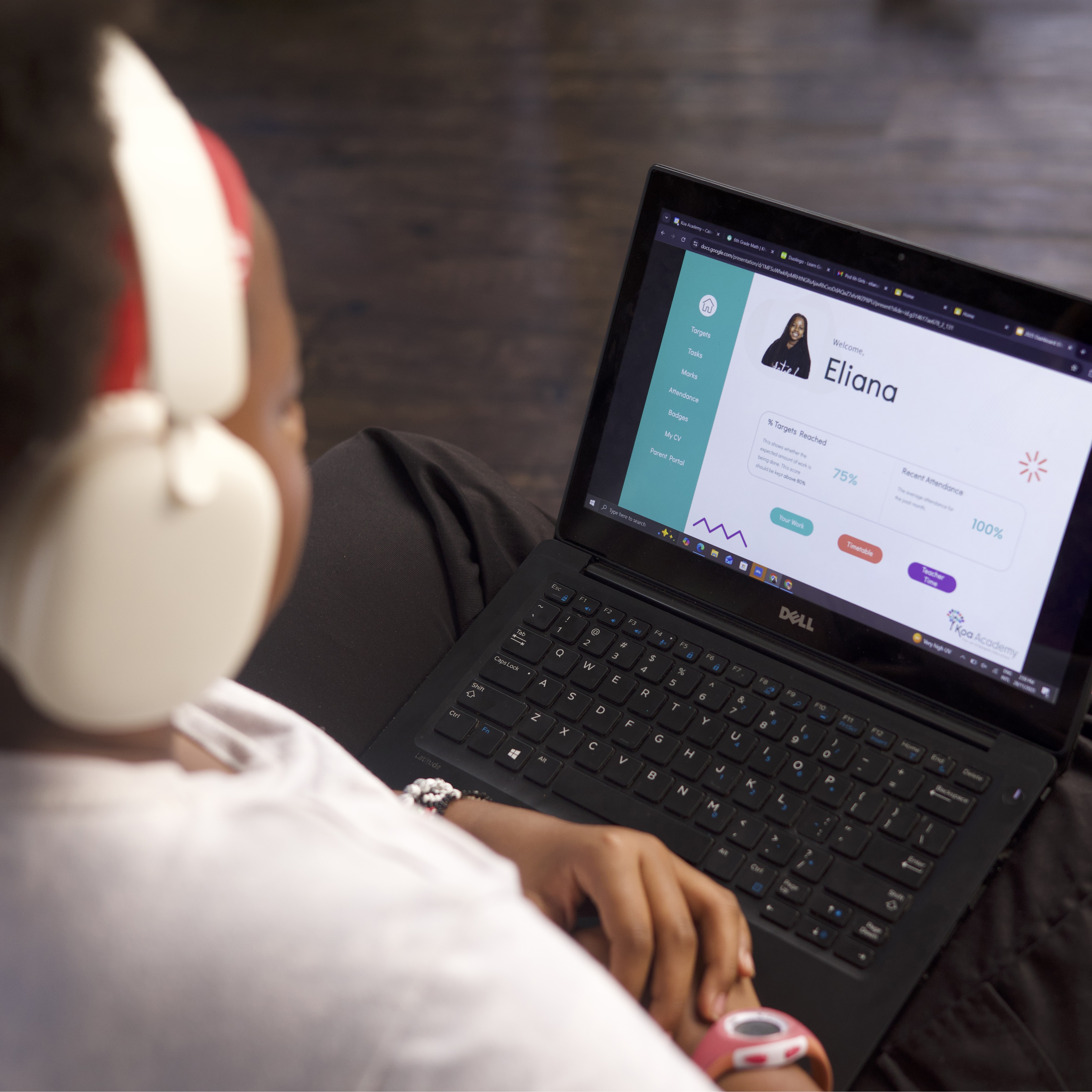
Online schooling is becoming an increasingly popular option for families seeking greater flexibility and a learning experience that adapts to individual needs. For some families, it’s about fitting school around sport, travel, or family rhythms. For others, it’s about supporting different learning paces, reducing anxiety or bullying, or creating a setting where their child feels more comfortable and focused. But with more online schools available than ever before, parents are often left wondering how to compare options – and which models will truly support their child’s learning and future goals.
What Do We Mean by “Online Schooling”?
Online schooling refers to a formal schooling experience delivered virtually, rather than in a physical classroom. Students learn from home while engaging with teachers and peers through online platforms.
Importantly, online schooling can look very different from one provider to another. What tends to differ between online schools is the level of live interaction with teachers, and how learning is supported between lessons. Another important difference is whether a school’s learning model is purpose-built for online delivery, or whether it simply adapts traditional classroom teaching to a screen. Understanding these differences is the first step in navigating your options with confidence.
The Different Types of Online Schools
In practice,Online Schooling in South Africa typically falls into four broad models.
1. Fully Online, Mastery-Based Learning
This is the model used at Koa Academy.
In this approach, students learn through purposefully designed online coursework that can be worked through independently, with a strong emphasis on teacher support in regular live lessons. The content is structured specifically for the online environment and built around mastery-based progression – meaning students move forward once they have demonstrated a clear understanding of each concept.
Live lessons are used to deepen understanding, encourage discussion, and provide real-time feedback. Importantly, the school handles the academic planning, progress tracking, assessment, and ongoing teacher support.
This model combines flexibility with strong teacher presence and academic rigour, in an environment intentionally designed for online learning.
2. Fully Online, “School on a Screen”
In this model, students follow a fixed daily timetable of live lessons delivered via video conferencing. Teaching often mirrors a traditional classroom approach, with larger groups of students attending live sessions where the teacher presents content in real time.
While this structure can provide routine and consistency, the experience may feel similar to a conventional classroom delivered online, with less built-in flexibility across the day and fewer opportunities for individual participation.
3. Hybrid or Blended Learning
Hybrid or blended models combine online learning with in-person elements. This may involve students attending a physical campus part-time while completing some coursework online, or working through online material in a shared physical learning space.
4. Distance Learning Providers
Distance learning providers supply a structured curriculum package, either in physical format or digitally, which students work through at home. This typically includes textbooks, worksheets, learning guides, and assessment materials designed to support independent study. Tests can be submitted to the provider for marking.
Some distance learning providers also offer a limited number of live lessons or optional, bookable tutorial sessions. For closer comparison, see how traditional homeschooling and online schooling differ in practice.
How Accreditation Works in Online Schooling
One of the most common questions parents ask is whether an online school is “accredited.”
What’s important to understand is that accreditation sits with the examining body – such as the Independent Examinations Board (IEB), which is accredited by Umalusi and overseen by the Department of Basic Education (DBE).
When families search for an “accredited online school,” they’re usually looking for a recognised learning pathway that:
- Uses a credible, externally moderated curriculum
- Is linked to a recognised examination body
- Leads to a qualification accepted by South African and international universities
Clarifying this early helps families focus on choosing an online school that offers a recognised academic pathway.
Key Questions to Ask When Comparing Online Schools
As you explore different online school options, these questions can help guide your decision:
- Who does the teaching? Is independent coursework effectively supported by live lessons?
- How much real-time interaction and support is there? Will your child engage with teachers and peers regularly?
- What are the class sizes, and how much individual attention and support can students expect to receive?
- Which curriculum does the school follow, and which examination body are they registered with?
- Is the school’s model purpose-built for online delivery, or is it simply traditional schooling adapted for a screen?
- Are lessons delivered by qualified teachers, and what training or professional registration do they hold?
- How is progress tracked and communicated? Will you have visibility into learning and development?
- How does the school support connection and wellbeing? Is community intentionally built into the model?
These questions help families understand how an online school is structured, how it supports learning day to day, and whether it’s the right fit for their child’s educational needs.
How Koa Academy Fits Into the Online School Landscape
Koa Academy offers a structured yet flexible online schooling experience designed specifically for the online environment.
Students learn in small Pods of just eight, working through self-paced, mastery-based coursework guided by qualified teachers who deliver live lessons and support ongoing progress. Koa Academy is registered with the Independent Examinations Board (IEB), providing a clear academic pathway to the National Senior Certificate (NSC).
This combination of purpose-built coursework, expert teaching, small-group connection, and a recognised curriculum enables families to benefit from the flexibility of online schooling without compromising academic rigour or meaningful support.
Explore the Koa Academy’s academic approach across Grade 4-12.
Is Online Schooling the Right Choice for Your Family?
Online schooling can be a strong fit for families looking for flexibility, personalised pacing, and a more intentional learning environment. The key is choosing a school whose teaching model, academic pathway, and support structures align with your child’s needs and your family’s priorities.
👉 To learn why academic recognition matters when choosing an online school, explore our guide: Searching for an Accredited Online School? Here’s What Parents Should Know
👉 For a practical checklist of what to look for day to day, read: What Really Matters When Choosing an Online School
Conclusion
Navigating online school options doesn’t have to feel overwhelming. By understanding how different models work and what questions to ask, families can make informed decisions with confidence. The right online school should offer more than flexibility alone – it should provide strong teaching, meaningful connection, and a clear academic pathway that supports your child’s future aspirations.
